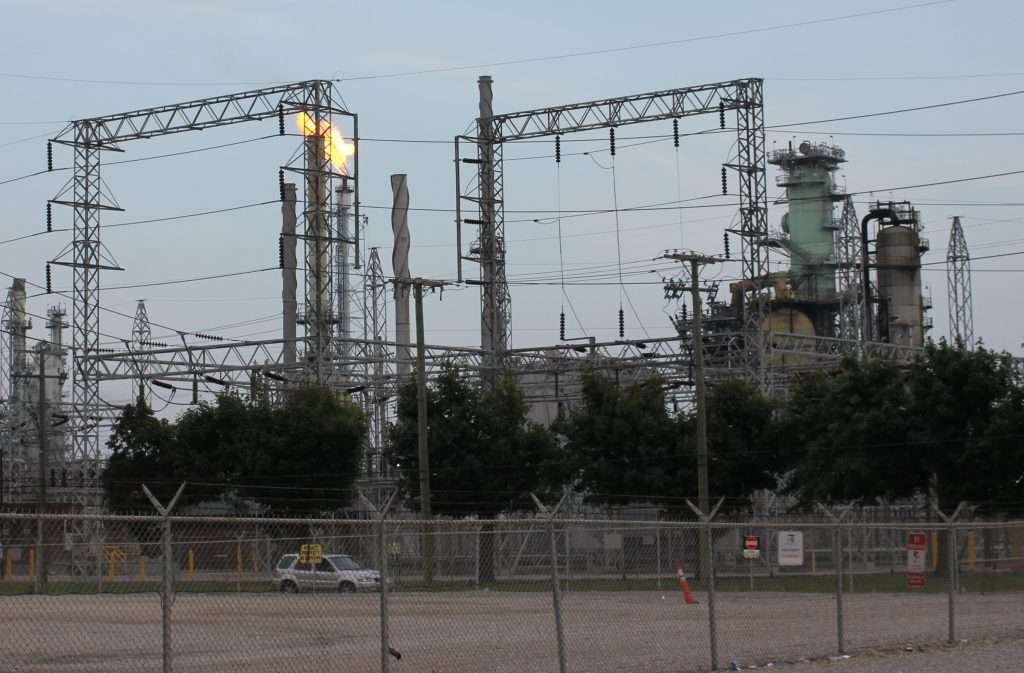
Marathon Petroleum Co. has applied to the Michigan Department of Environment, Great Lakes, and Energy Air Quality Division to move some sulfur production from its east plant sulfur recovery unit to its newer, more efficient north plant sulfur recovery unit.
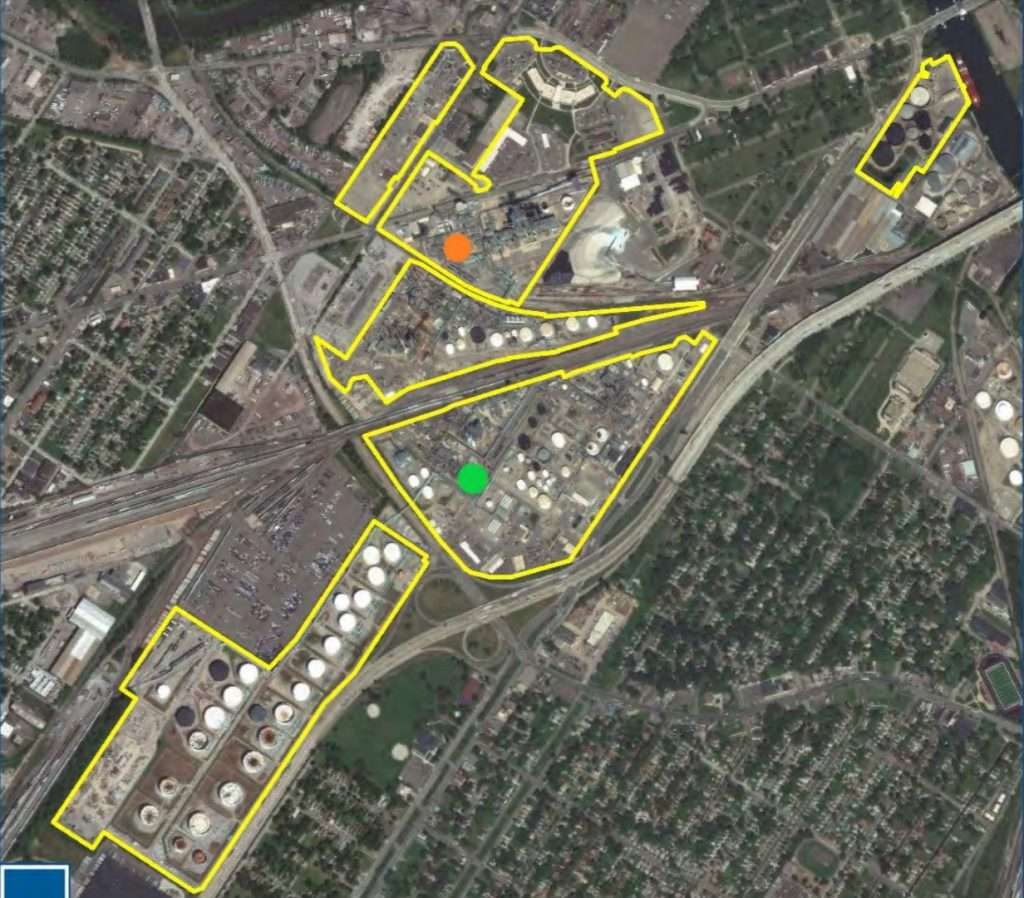
Marathon Petroleum Co. has applied to the Michigan Department of Environment, Great Lakes, and Energy Air Quality Division to move some sulfur production from its east plant sulfur recovery unit to its newer, more efficient north plant sulfur recovery unit.
Move could improve air quality
By SUE SUCHYTA
Sunday Times Newspapers
MELVINDALE – Marathon has applied to the Michigan Department of Environment, Great Lakes, and Energy to move some sulfur production from its east plant sulfur recovery unit to its north plant SRU.
The proposed change will not allow Marathon to process more crude oil, but should improve the sulfur dioxide ambient air quality in the area surrounding the refinery.
In Marathon’s Jan. 7 application to EGLE’s Air Quality Division, it noted that its north plant SRU is newer and more efficient.
Marathon’s two SRUs at its Melvindale/Detroit refinery convert the hydrogen sulfide present in the sour water and acid gases, which are generated during the refinery process, into elemental sulfur.
Tail gas produced at each SRU is routed to a thermal oxidizer, which incinerates the volatile emissions generated during the SRU process in carbon dioxide and water, in a manner similar to what a catalytic converter does for car exhaust.
Marathon said in its application that it can be a “better environmental steward” and reduce sulfur dioxide emissions from its refinery processes by optimizing its use of the north plant SRU.
The company said it can do this without making any physical changes to the refinery, but it would make some minor physical changes to the north plant to accommodate the proposed increased capacity.
Marathon said in its application that because it will not increase its elemental sulfur production, the increased utilization of the north plant will not increase hazardous air pollutants, toxic air contaminant emissions or other regulated new source review pollutants allowed under the renewable operating permit.
Currently, the refinery is in an area designated as “nonattainment for sulfur dioxide and for ozone.”
Marathon contends in its application that increasing the utilization of the north plant SRU will positively impact the area air quality.
Sulfur loading via railcar and truck will remain the same, since the production will not increase.